

5 min read
France has no shortage of châteaux. And yet, most itineraries tend to gravitate toward the same handful of names.
Versailles, Chambord, Chenonceau… Extraordinary places, without question, and ones our experience designers genuinely love to include when they belong.
But France is also full of châteaux that receive a fraction of the attention they deserve. Quieter, less frequented, and often more intimate. These are the kind of places that stay with travellers long after the visit ends.
At Découvertes DMC France, our experience designers are all born and raised in France. They know it not as a collection of landmarks, but as a layered, living place; and that changes everything about the recommendations they make. These five châteaux are the kind of hidden gems they tend to reach for when an itinerary calls for something beyond the expected.
Château de Compiègne (Compiègne Castle), Picardie
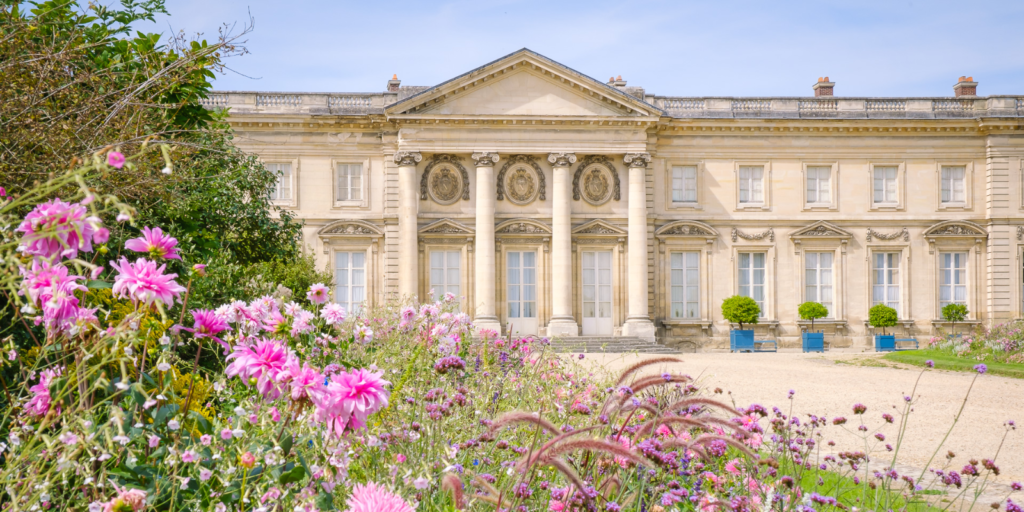
Less visited than Versailles or Fontainebleau, the Château de Compiègne holds a quieter, more nuanced kind of grandeur. A favoured residence of Napoleon I and Napoleon III, it carries the full weight of the First and Second Empires; yet without the crowds that so often make France’s most celebrated royal residences feel rushed.
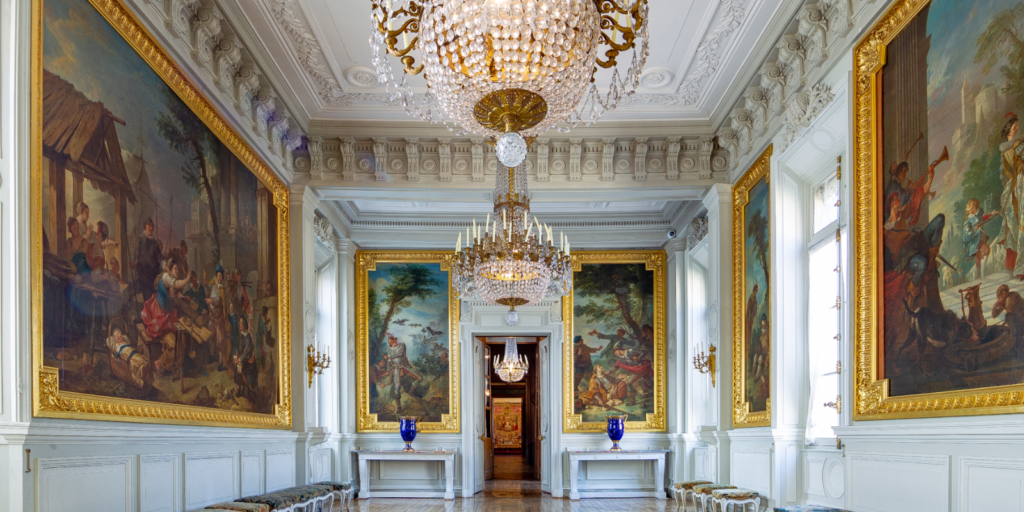
The apartments are exceptional: intact, richly decorated, and remarkably well preserved. The park stretches out behind the château into the forest of Compiègne, one of the largest forests in France, offering a sense of arrival and departure that feels genuinely unhurried.
For clients who appreciate historical depth alongside visual splendour, Compiègne offers an experience that few châteaux in France can quite match.
Château du Champ de Bataille (Battlefield Castle), Normandie
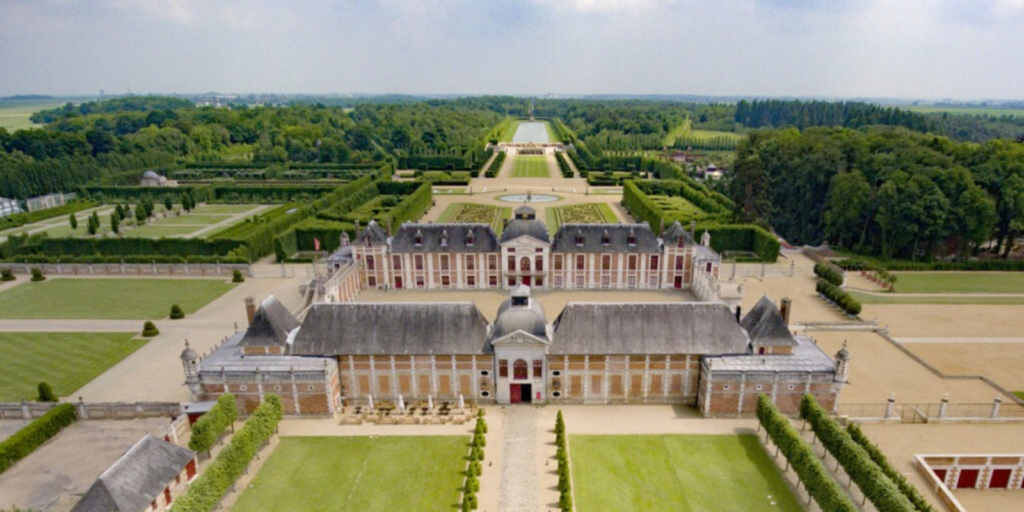
Normandy tends to draw attention for its coastline, its D-Day history, and its abbeys. The Château du Champ de Bataille, set deep in the Eure countryside, is a different kind of discovery entirely.
Built in the 17th century and meticulously restored over decades by interior designer Jacques Garcia, this is a château of exceptional visual ambition. The architecture is baroque and confident; the interiors (which Garcia opened progressively to visitors) are rich with antiques, fabrics, and objects collected over a lifetime of extraordinary taste. The gardens, laid out on a grand classical axis, are among the most striking private gardens in northern France.
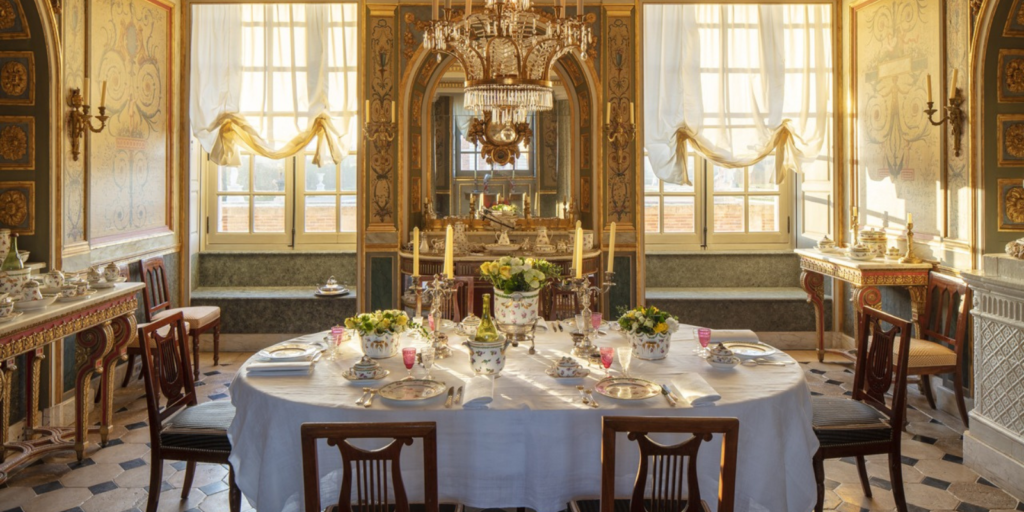
What makes Champ de Bataille particularly compelling for a certain kind of traveller is the sense that it is still very much a living place. Not a museum, not a monument, a château that reflects a personal vision pursued with remarkable consistency.
For clients who appreciate the intersection of architecture, interior design, and landscape at the highest level, this is a visit that rarely disappoints.
Château d’Ainay-le-Vieil (Ainay-le-Vieil Castle), Berry
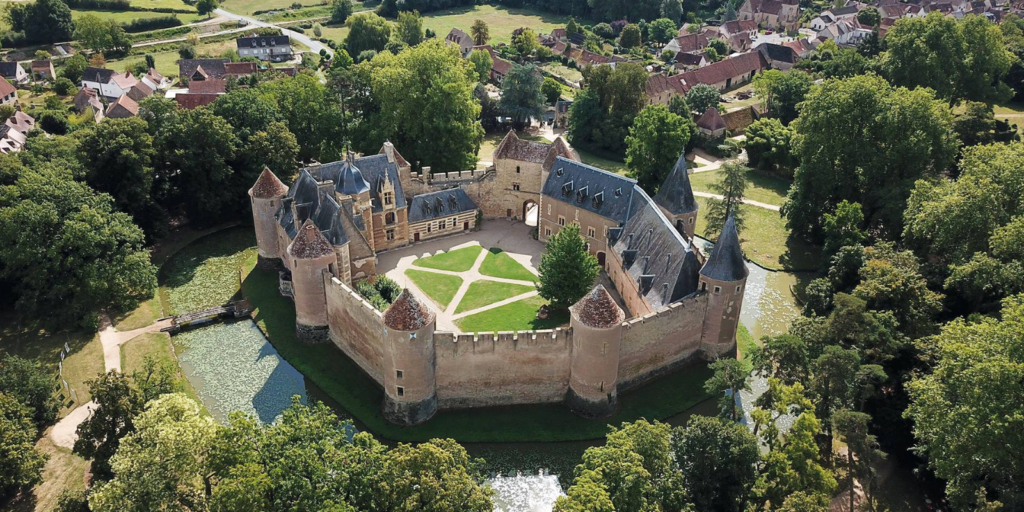
Few châteaux in France are as intact, or as quietly beautiful, as Ainay-le-Vieil. Still owned and lived in by the same family that has held it for over five centuries, it carries a sense of continuity that is increasingly rare.
From the outside, it reads as a medieval fortress: octagonal towers, a dry moat, stone walls built to last. Inside, the atmosphere shifts entirely: a Renaissance dwelling of considerable elegance, with gardens that bloom with roses in late spring and early summer and a sense of order that feels both cultivated and entirely natural.
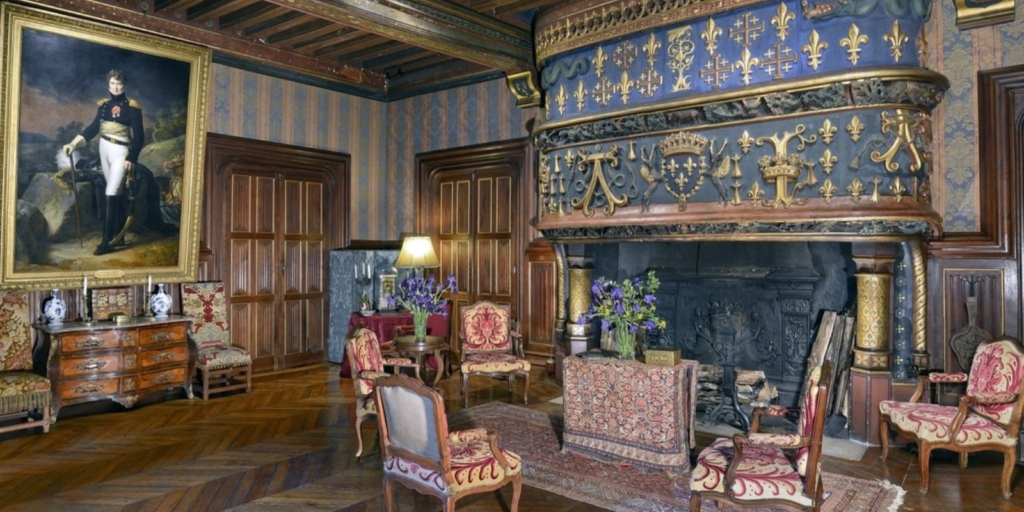
The Berry region itself is undervisited, which only adds to the experience. For clients drawn to living history, places where the past has not been curated into performance, Ainay-le-Vieil is quietly exceptional.
Château de Hautefort (Hautefort Castle), Périgord
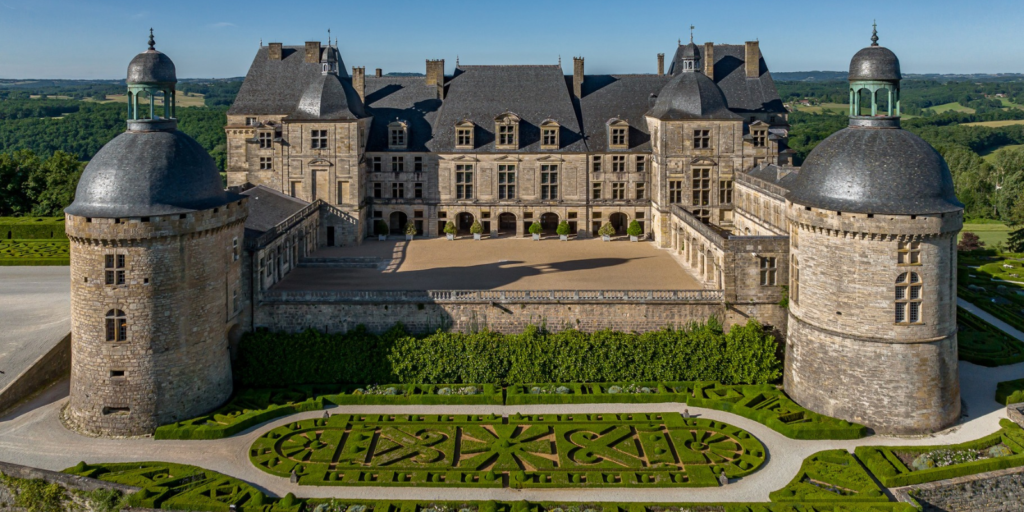
The Dordogne is known for its prehistoric caves, its bastide villages, and the kind of food that makes extended lunches feel like a moral imperative. In a region where so much competes for attention, Hautefort tends to be overlooked; and that, for the right client, is precisely its appeal.
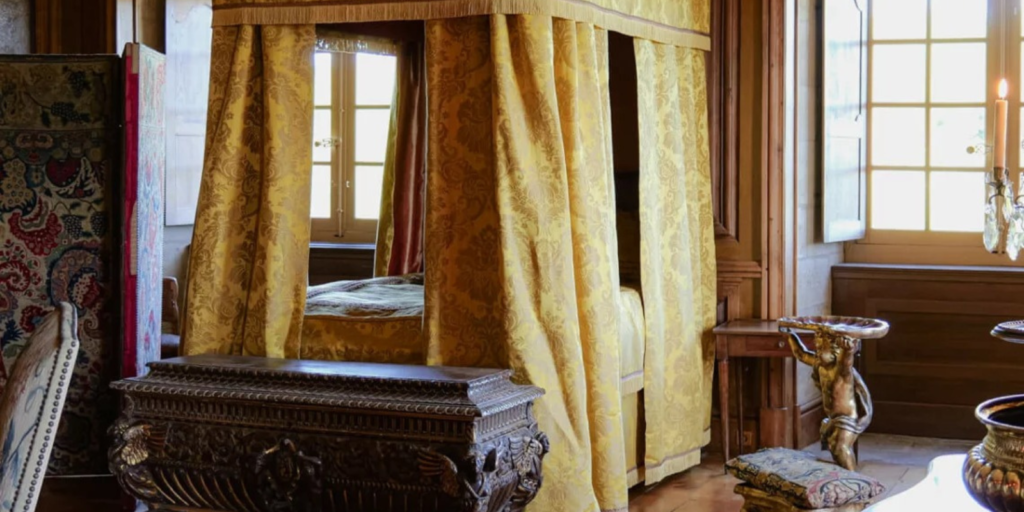
Set on a rocky spur above a village of the same name, Hautefort is a château of genuine architectural ambition: classical in form, dramatic in setting, and surrounded by formal gardens and a wooded park that unfold beautifully across the hillside. The light here in the late afternoon is particularly striking.
It is a place that rewards a longer stop. And in a region where so much competes for attention, that relative quietness is something to be valued.
Château de Pierrefonds (Pierrefonds Castle), Picardie
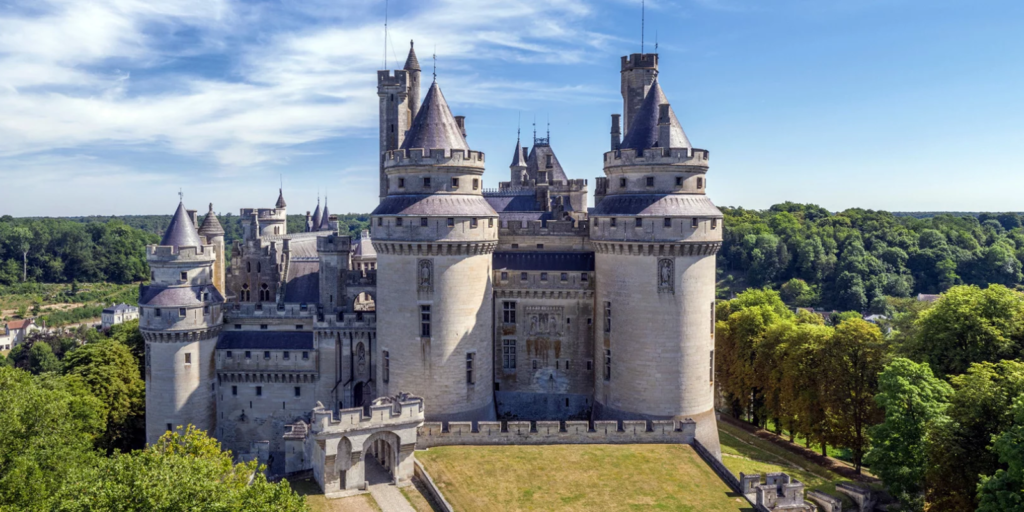
Built in the 14th century, ruined, then dramatically reimagined by Eugène Viollet-le-Duc in the second half of the 19th century at the personal commission of Napoleon III, Pierrefonds is one of the most visually extraordinary châteaux in France. And one of the most consistently underestimated.
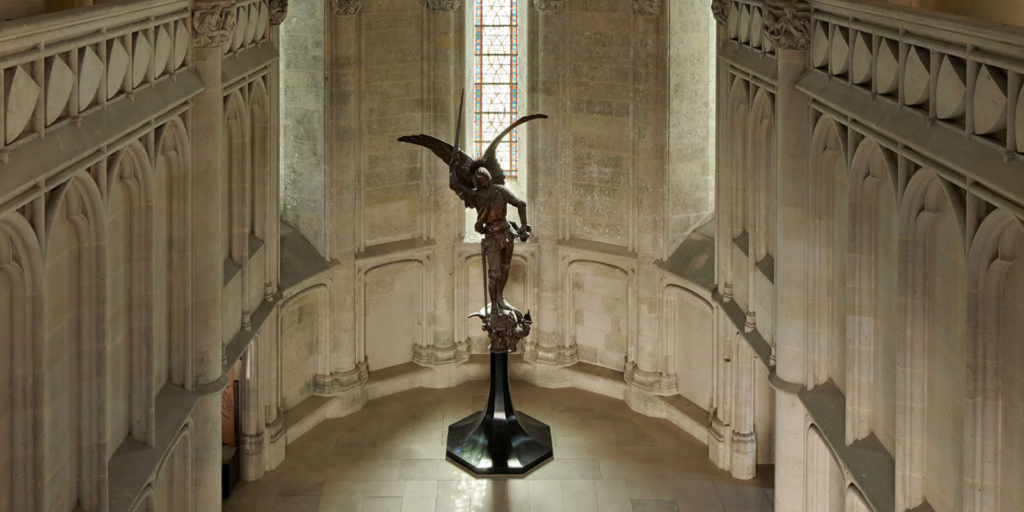
Towers, turrets, sculpted figures, and a keep that looks like it was drawn from a medieval manuscript. The interior is equally compelling: vast painted rooms, a chapel, the chambre des preux with its carved figures of legendary heroes. The surrounding forest of Compiègne completes the picture.
For clients with an appetite for architecture, history, and the kind of place that prompts genuine wonder, Pierrefonds quietly delivers.
A Different Kind of French Journey
Beyond the excellence of the visit itself, these five castles provide the rare satisfaction of discovering a site that remains remarkably tranquil.
Our experience designers do not reach for these recommendations because they are unfamiliar. They reach for them because they know, from personal experience, exactly what they offer and exactly who they suit. That distinction matters, especially at the level of itinerary design where every choice reflects something about how a journey is understood.
Whether your clients are spending time in northern France, Normandy, the Loire region, or the Dordogne, we are happy to help you build something around these places that feels cohesive, well-timed, and genuinely tailored.
Send your requests to ; we’d love to help you create fairy tales.